Click here to read the full article here: The new divorce flashpoint? How long the children spend online
Harriet’s comments have been reproduced with kind permission.
When Paul split from his wife, he did not expect that his autistic son’s screen time would become one of the main points of contention.
Yet in recent months, he has sought legal advice over whether he can stop his former wife giving their only child an iPad for up to two hours every night after school. The couple are also arguing over whether the videos he watches on YouTube, on repeat, are serving as a comfort or fuelling a harmful addiction.
It is becoming a familiar tale, according to family lawyers. Mothers and fathers are increasingly asking for law firms to draw up non-legally binding parental agreements over their polar views on whether their children should have smartphones or social media and how long they should spend on it. In rare cases, family courts have made orders banning a child’s access to smartphones due to safeguarding issues.
“Social media and phone use is raised in probably 50 per cent of cases we see now as an issue,” said Harriet Errington, a family law partner at Payne Hicks Beach, in London. “In an acrimonious divorce, it becomes a very live issue.”
Typically, it is the mothers who want to delay getting their child a smartphone or restrict social media, but not always, legal experts say.
Paul, a middle-aged businessman, said: “We have been given specific medical advice that our [primary school-aged] son should not be exposed to any screen time. It increases his anxiety and he watches the same clips back, back, back. But my children’s nanny, when he is with my ex-wife, dumps him on the iPad for an hour or two when he gets home from school.
“I asked my lawyers if I could bring it up in the family court but they advised me ‘don’t even bother’ because the judges will say they don’t want to get involved in different parenting styles.”
Family courts — reserved for the most serious decisions, such as how a child should split their time between two parents — have typically dismissed social media disputes as outside their remit.
However, family lawyers say the government’s proposed social media ban for under-16s could change this and judges will need to be more open to considering the harms caused by excessive or inappropriate screentime when making decisions on childcare arrangements.
Courts could also, potentially, consider making a specific issue order, used to resolve a single, major disagreement regarding a child’s upbringing. Traditionally, these orders were used to decide matters such as which school they attend, whether they should have vaccinations or whether they can live abroad.
Errington said: “Now that social media is going to be banned for under-16s and we have legislation that recognises the harm to children, I don’t think it will be an option for the family court to just say ‘this relates to parenting style and we are not going to get involved’.
“I think there will be more cases where social media and phones are dealt with as potential safeguarding issues when parents bring private proceedings to the family court and clients will get the recognition they have needed.”
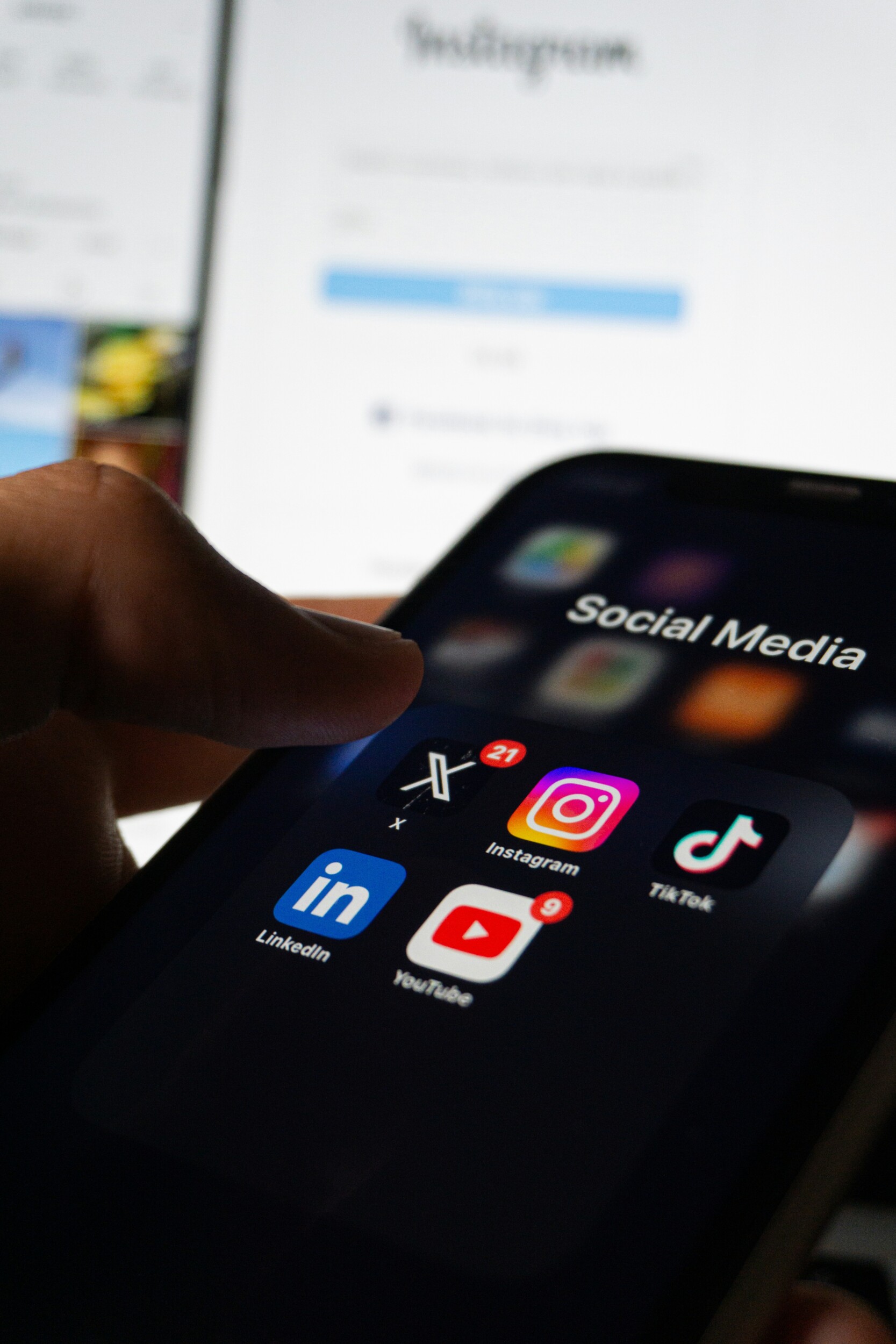
Last week, the government announced plans to ban under-16s from social media including Snapchat, TikTok, YouTube, Instagram, Facebook and X, and to restrict features such as live streaming and strangers communicating with children. It is also looking at overnight curfews and breaks in infinite scrolling for those under 18.
For further advice or information, please contact Harriet Errington, Partner in the Family Department or, alternatively, telephone on 020 3911 2083.